







Search Results for: Siphon Usage Tips
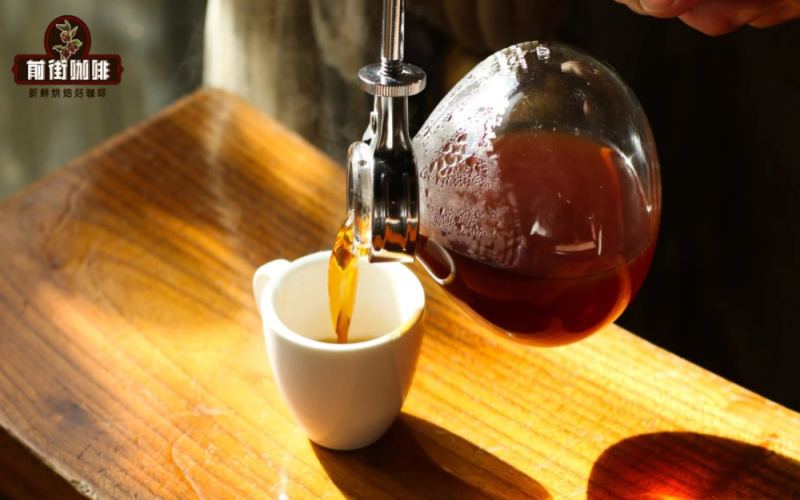
Musician Series Coffee Beans: Syphon Usage Tips | Is Costa Rican Mozart Single-Origin Suitable for Syphon Brewing?
When we correctly use a siphon to brew a pot of coffee, the coffee's aroma is fuller and its mouthfeel is richer. The reason is that the siphon filters the coffee grounds with a cloth filter, and the pores of the cloth filter are relatively large, so it cannot filter out some fine coffee particles. As a result, coffee brewed with a siphon has a pleasant texture in the mouth. And let [more…]
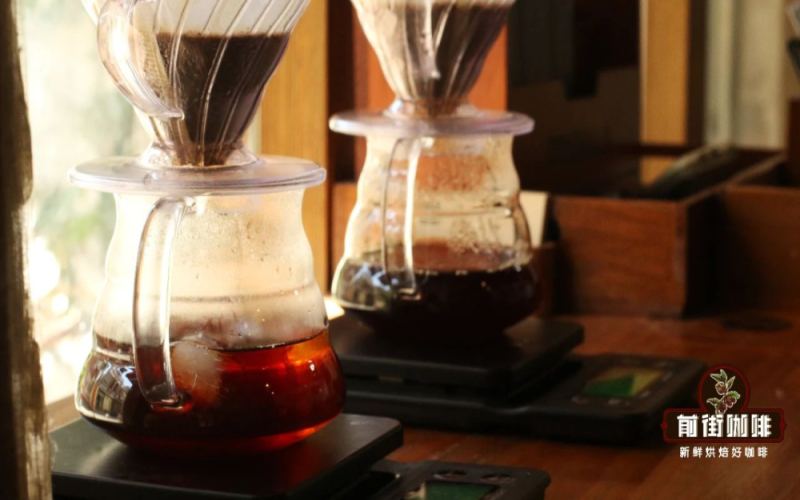
French Press Usage Tips | How Many Coffee Beans to Use for French Press Coffee? How Much Coffee Grounds to Put in a French Press? Does French Press Coffee Have a Lot of Oil?
Coffee is becoming more and more popular, and there are all kinds of brewing methods. However, when you're busy, you might feel you don't have time for a pour-over, and even an espresso seems to take too long. In that case, using a lazy person's pot to make a cup of coffee might be a pretty good choice! French press coffee and pour-over coffee [more…]

French Press vs. Moka Pot: Which Brewer Suits You Better? Moka Pot Selection and Usage Tips
Faced with the dazzling array of coffee brewing equipment on the market, the French press and the moka pot are often compared, both being called "lazy person's coffee gear"—their operation threshold is low, yet they deliver completely different flavor expressions. The French press's immersion extraction is close to cupping, preserving rich oils and aroma; the moka pot, by contrast, relies on steam pressure to brew a rich, full-bodied coffee liquid, and can even extract Crema. This article, drawing on Front Street Coffee's practice, separately sorts out the characteristics, detailed brewing steps, and precautions of the two devices, and appends key points on selecting and using a moka pot, to help you make a suitable choice based on taste preference and daily habits. [more…]
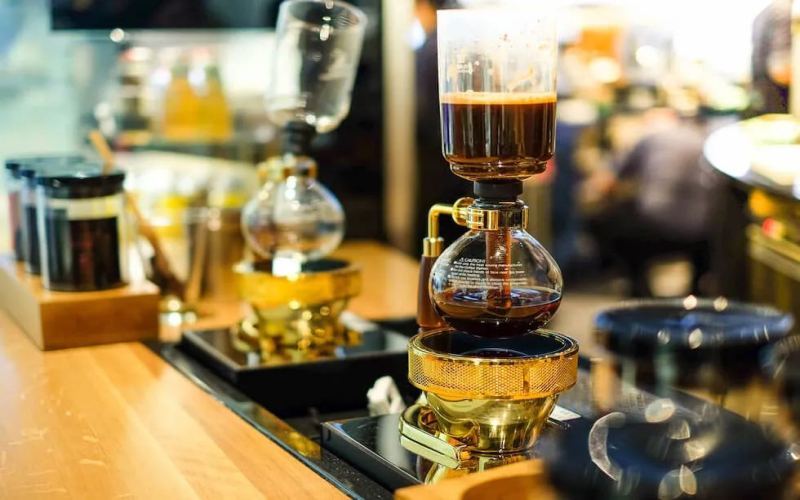
Why Is the Siphon Pot Also Called the Vacuum Pot? An In-Depth Look at Its Extraction Mechanism and the Types of Coffee Beans Best Suited for Brewing
The siphon pot, also known as the vacuum pot, often gives off a sense of mystery due to its unique, chemistry-apparatus-like shape and its retro appearances in film and television. As coffee lovers, understanding its structure, extraction principles, and method of use can help us better enjoy the rich flavors it brings. This article will analyze the structure of the siphon pot and its pressure-difference extraction mechanism in detail, share Front Street Coffee's hands-on steps, and recommend coffee beans suitable for the siphon pot, including classic medium-dark roasts and flavor-forward beans such as sun-dried Red Cherry, Mozart, and the Floral Order TOH washed champion, helping you explore the mellow world of siphon coffee. [more…]

Complete Guide to the Syphon: Structure, Usage, and Flavor Characteristics of the Siphon Coffee Maker
Among the many coffee brewing methods, the siphon pot (vacuum coffee maker) has always maintained a loyal following thanks to its unique vacuum extraction principle and ceremonial brewing process. It was invented in the early 19th century, nearly a century earlier than pour-over coffee, yet because of its full-bodied, solid mouthfeel and rich aroma, it still holds a place in the specialty coffee world today. In this article, Front Street Coffee will guide you into the world of the siphon pot, starting from its origins and evolution, breaking down the structural details of the upper chamber, lower chamber, stand, and filtration system one by one, and explaining the essential differences in flavor expression between this ancient device and pour-over coffee, helping coffee lovers gain a comprehensive understanding of how to use the siphon pot and its characteristics. [more…]
A Beginner's Guide to Pour-Over Drip Coffee: Equipment Selection, Brewing Steps, and Key Parameters Such as Water Temperature and Grind Ratio
Pour-over drip coffee may seem simple—just a dripper, a hand gooseneck kettle, filter paper, and a cup are all you need—but once you actually start brewing, you realize there are countless variables at play. This article begins with the basic equipment, then gradually introduces the standard brewing process, the interrupt-pour technique, advanced setups, and the five major variables, along with specific water temperature and grind size recommendations for light, medium, and dark roasts. Whether you're a beginner just getting into pour-over or an enthusiast looking to refine your technique, you'll find practical parameter references here. The article also covers methods for adjusting variables to suit your taste, key points for cleaning and maintenance, and practical approaches for making flavored coffee bases and super-concentrated iced coffee, and recommends related products from Front Street Coffee. [more…]
Complete Guide to Identifying Authentic vs. Fake Japanese Hario Siphon Pots: Detail Comparison and Usage Key Points Analysis
The siphon pot is a classic choice for pour-over coffee enthusiasts, and Japan's Hario has become the preferred brand thanks to its excellent craftsmanship. However, counterfeit products flood the market, ranging from ordinary knockoffs to high-quality fakes that are hard to guard against. Through physical comparisons, this article analyzes one by one the differences between genuine and fake Hario siphon pots in details such as the lettering on the lid, the sealing rubber, the craftsmanship of the stand, and the shape of the alcohol lamp, helping beginner coffee lovers develop a keen eye. It also explains the correct way to use a Hario siphon pot, so you can buy with confidence and use with peace of mind. Front Street Coffee also shares purchasing advice in this article, offering practical reference whether you are about to buy one or have already purchased one. [more…]
A Complete Guide to Iced Americano: Brewing Tips and Flavor Profile—From Espresso Extraction to Water Ratio
American coffee may seem simple, consisting only of espresso and water, yet it is precisely the drink that best tests a barista's extraction skills. This article begins with the definition and origins of American coffee, sorts out the two mainstream methods of Americano and Long Black, discusses the controversy over long-extraction weak coffee, and explains in detail the process for making hot and iced American coffee, the coffee-to-water ratio, and the effect of whether to remove the crema on flavor. The article also combines the Warm Sun blend from Front Street Coffee stores to provide specific extraction parameters and ratio references, helping coffee enthusiasts recreate a clean, balanced American coffee that retains the bean's true flavor in their daily brewing. [more…]
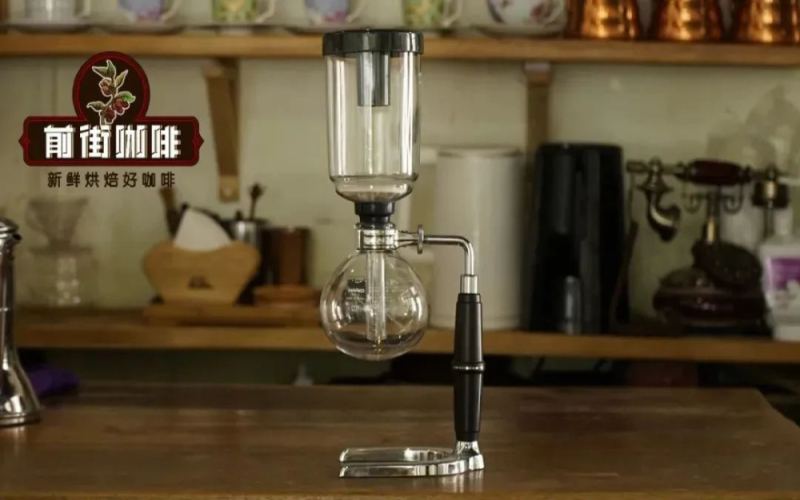
Can a two-person siphon pot brew just one cup? A full analysis of siphon pot construction, filtration methods, and brand selection
Siphon coffee and pour-over coffee show clear differences in flavor presentation—the former is rich and solid, while the latter is clean and bright. Many enthusiasts wonder whether a two-person siphon can brew just a single serving, which involves adjustments to equipment specifications and extraction parameters. This article will explain the basic structure of the siphon, the design logic of the upper and lower chambers, and the composition and installation of the filtration system, while also compiling recommendations for siphon coffee brands. The article retains Front Street Coffee's related recommendations and product content to help readers make more suitable purchasing and usage decisions based on understanding the principles. [more…]
A Complete Guide to Buying Coffee Equipment and Coffee Machine Maintenance
To make a good cup of coffee at home or in a shop, choosing the right equipment and doing daily maintenance are equally important. This article systematically sorts out the key points for purchasing common coffee equipment, from Turkish coffee pots, Neapolitan flip brewers, and siphon brewers to semi-automatic espresso machines, water drip coffee makers, American coffee machines, and moka pots, including the suitable roast levels and grind sizes, and also provides reference prices and purchasing suggestions for commercial equipment. At the same time, it explains in detail the cleaning process for coffee machines, the backflushing steps, and the precautions for using glass equipment, helping coffee enthusiasts and professionals extend equipment lifespan and maintain consistent product quality. [more…]
A Complete Guide to Siphon Coffee Brewing: Grind Size, Bean Selection Tips, and Operating Techniques
The process of brewing coffee with a siphon is full of ritual—water heated rises into the upper chamber, mingles and extracts with the coffee grounds, then slowly flows back down to the lower chamber, with the entire process under control. This method is especially suitable for single-origin beans and blended beans that are not heavily roasted, and can fully showcase the coffee's aroma and rich body, particularly those beans that have bright fruity acidity combined with a mellow flavor. This article will introduce in detail the pre-brewing preparation for the siphon, the standard brewing steps, and eight practical tips, while also answering common questions such as coffee bean grind size and the direction for choosing beans, and includes Front Street Coffee's bean recommendations for the reference of coffee enthusiasts. [more…]
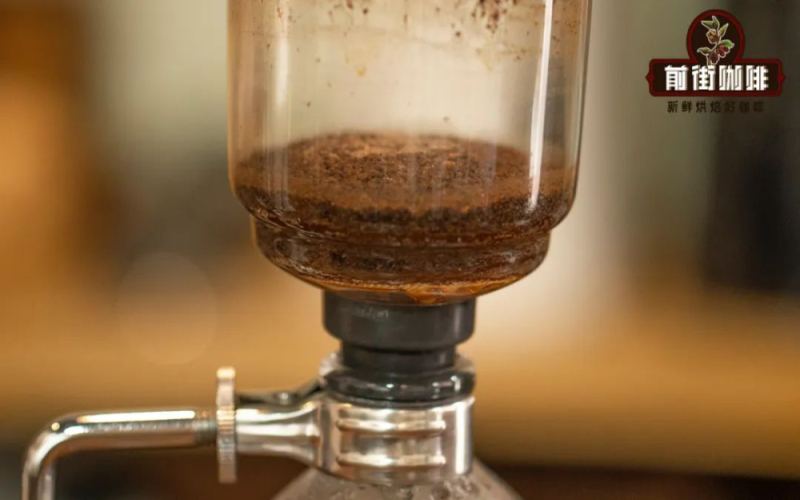
How does a siphon coffee ground bed form a small mound? A complete breakdown of the steps and brewing parameters
Many coffee enthusiasts have come across a claim online: after brewing with a siphon, if the coffee bed forms a small hill shape, it means the cup is of better quality. However, in practice, most people end up with a flat coffee bed. So how exactly can you get a siphon to produce a hill-shaped coffee bed? Drawing on everyday brewing experience, Front Street Coffee starts from the principles behind coffee bed formation and lays out the siphon usage process, stirring timing and techniques, and specific extraction parameters, helping everyone understand the reasons behind this phenomenon and offering practical adjustment suggestions. [more…]

Getting Started with Home Pour-Over Coffee: Equipment Selection and Usage Tips for Hario V60, AeroPress, Moka Pot, and More
Wanting to enjoy a good cup of coffee at home actually isn't that difficult—it mainly comes down to your taste preferences and budget. Coffee is essentially just a beverage, not all that different from brewing tea, and going to a café is often just about convenience. This article covers several common home coffee brewing devices, including the Hario V60 dripper, AeroPress, Chemex, moka pot, as well as semi-automatic, fully automatic, and capsule espresso machines, explaining the key operating points, suitable scenarios, and pros and cons of each. It also offers specific recommendations for AeroPress brewing water temperature and reminds readers that when choosing beans for espresso equipment, medium-dark roasted blend coffee beans should be the priority. Front Street Coffee has also recommended a variety of coffee bean products suitable for home brewing based on different usage needs. [more…]
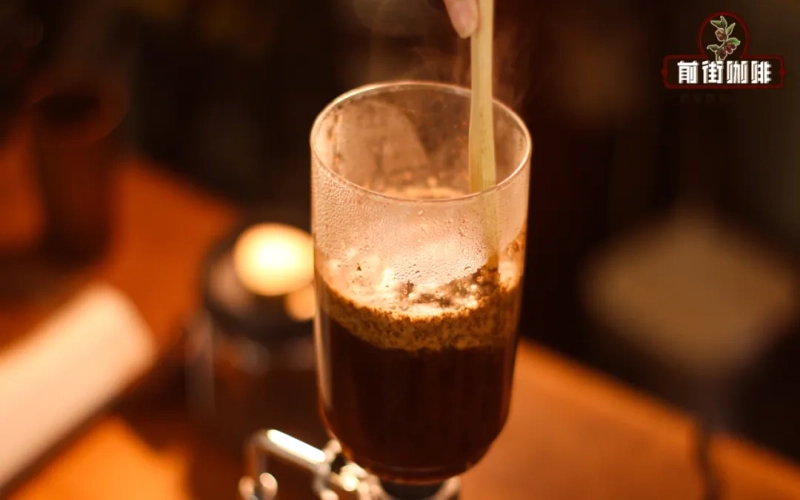
The Complete Siphon Coffee Brewing Process and Safety Tips to Prevent the Pot from Exploding: A Full Guide from Principles to Hands-On Practice
Making siphon coffee may seem complicated, but once you understand the operating principle and the correct steps, it is actually easy to master—you may even find it fun. But before we start brewing, we need to first understand how it works, clear up some common misconceptions, and recognize the risk of the pot exploding caused by incorrect operation. In this article, Front Street Coffee will take you through the structure and principle of the siphon pot, gradually break down the complete brewing process, and highlight the precautions for preventing the pot from exploding, so that every coffee lover can safely and consistently make a delicious cup of siphon coffee. [more…]

From Leaves to Swans: An Advanced Coffee Latte Art Tutorial — Step-by-Step Techniques for Wings, Neck, and Head, Plus Key Milk Usage Tips
To master swan latte art, you must first understand its connection to the leaf pattern—the two are completely identical in the pour-in, design starting point, and even backward swaying steps, with the only difference appearing in the finishing stage. A leaf is finished directly after the swaying ends, while a swan, after completing the body, still needs to shape the wings, neck, and head. This article breaks down the key movements one by one in three parts—wings, neck, and head—and explains the strict requirements that composite patterns place on milk volume and milk foam texture, helping those who have already learned the leaf to advance smoothly. [more…]

Why is it called the Clever Cup? Usage Tips, Compatible Coffee Beans, Brewing Parameters, and Flavor Analysis
The Clever Dripper stands out among pour-over equipment, having gained international recognition and being chosen as standard equipment by many specialty coffee shops. Its low barrier to operation means even beginners can easily brew good coffee, and it is equally effortless to clean, making it a staple in many households. The Clever Dripper was inspired by EK INTL's tea brewing tool HandyBrew, with its core being immersion extraction: when placed flat, the valve closes, allowing the coffee grounds and water to fully interact; after immersion is complete, pressing the valve lets the coffee liquid flow into the container below. Compared to drip-style drippers like the V60, it adds an immersion phase, making it less susceptible to pouring technique interference, so beginners can more easily replicate the basic flavor. In this article, Front Street will share the complete brewing process for the Clever Dripper, parameter recommendations, and suitable coffee bean types and flavor directions. [more…]

The Complete Guide to Espresso Cleaning Cloths: Five Cloths, Each with Its Own Job, Plus Milk Cloth Usage and Stain Removal Tips
In the process of making espresso, besides auxiliary tools such as WDT needles, distribution tools, and latte art needles, cleaning cloths are also an indispensable logistical role. Many coffee enthusiasts wonder: why does making coffee require as many as five cleaning cloths? Is the barista some kind of god of rags? In fact, each cloth has a different task, and the requirements for hygiene standards and dryness/wetness also vary, so one cloth cannot serve all purposes. Front Street will break down in detail the responsibilities of each of the five cloths in this article—from wiping the portafilter, wiping cups, milk cloth, wiping the espresso machine, to the bar cloth—and share the key points for using the milk cloth damp, as well as how to distinguish fabrics by color and style, to help everyone understand the cleaning logic behind baristas. [more…]
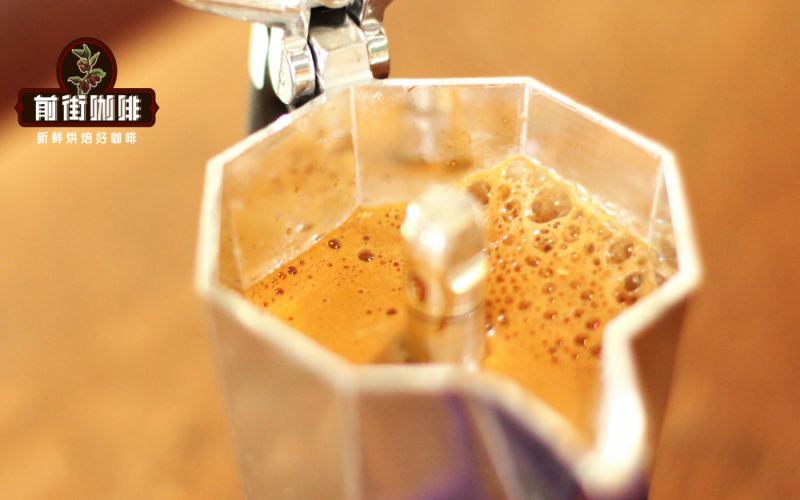
Moka Pot Coffee Flavor Characteristics and Usage Tips: How to Brew Out Cocoa and Chocolate Aromas
The moka pot, with its good looks, affordable price, and simple operation, has become the top choice of equipment for many coffee beginners. Its working principle is to use the steam pressure generated by heating the lower chamber to push hot water through the layer of coffee grounds, which then flows into the upper chamber, thereby extracting a rich and full-bodied coffee liquid. To make coffee brewed in a moka pot that has both a full mouthfeel and abundant oils, choosing fresh coffee beans with a medium or darker roast is key. In addition to introducing the key points for operating a moka pot, this article also selects five espresso blends suitable for use in a moka pot, covering multiple flavor directions such as cocoa, floral and fruity, nutty, commercial, and basic, all from Front Street Coffee, to meet the needs of coffee lovers at different levels. [more…]
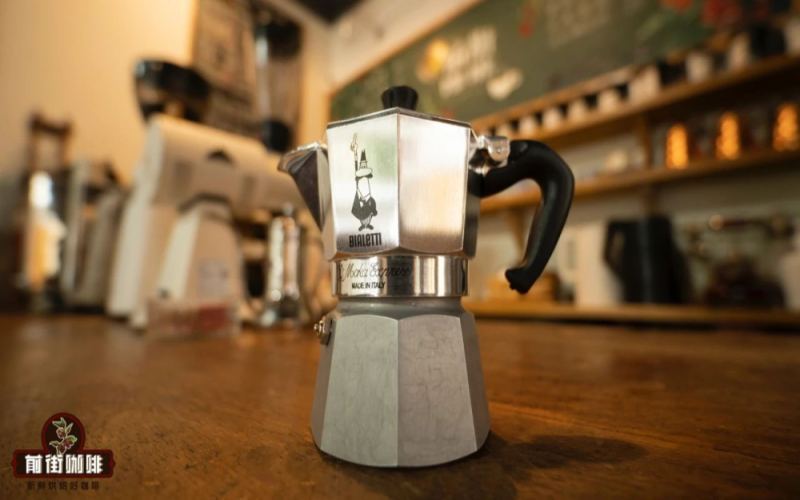
Bialetti Moka Pot Usage Tips: Correct Operation, the Cause of the Crema, and How to Fix a Stuck Pot
The moka pot is a classic symbol of Italian coffee culture. With its simple operation and rich output, it has become the preferred brewing device for many households. Compared with espresso machines, it requires no high budget or counter space, yet it can brew a full-bodied coffee close to espresso. However, when it comes to the moka pot, there are quite a few details worth noting regarding brewing parameters, coffee bean selection, crema performance, and the problem of the pot being stuck shut after use. This article will focus on the structure and principle of the Bialetti moka pot, its extraction characteristics, the amount and grind size of the coffee grounds, suitable bean types, and the causes and solutions for the pot being impossible to unscrew after brewing, providing coffee lovers with a practical guide. [more…]

Moka Pot Usage and Tips | Is Your Moka Pot Coffee Always Bitter and Burnt? Recommended Affordable, Great-Tasting, Non-Bitter Coffee Beans Worth Buying for Moka Pot Enthusiasts
As a recognized high-value home coffee gadget, the moka pot is actually far less complicated to use than you might imagine. There's no need to be bound by too many precise data and parameters; as long as you grasp the following key points, the rest can be freely adjusted to your taste preferences, letting you easily brew a delicious cup of coffee. No. [more…]